
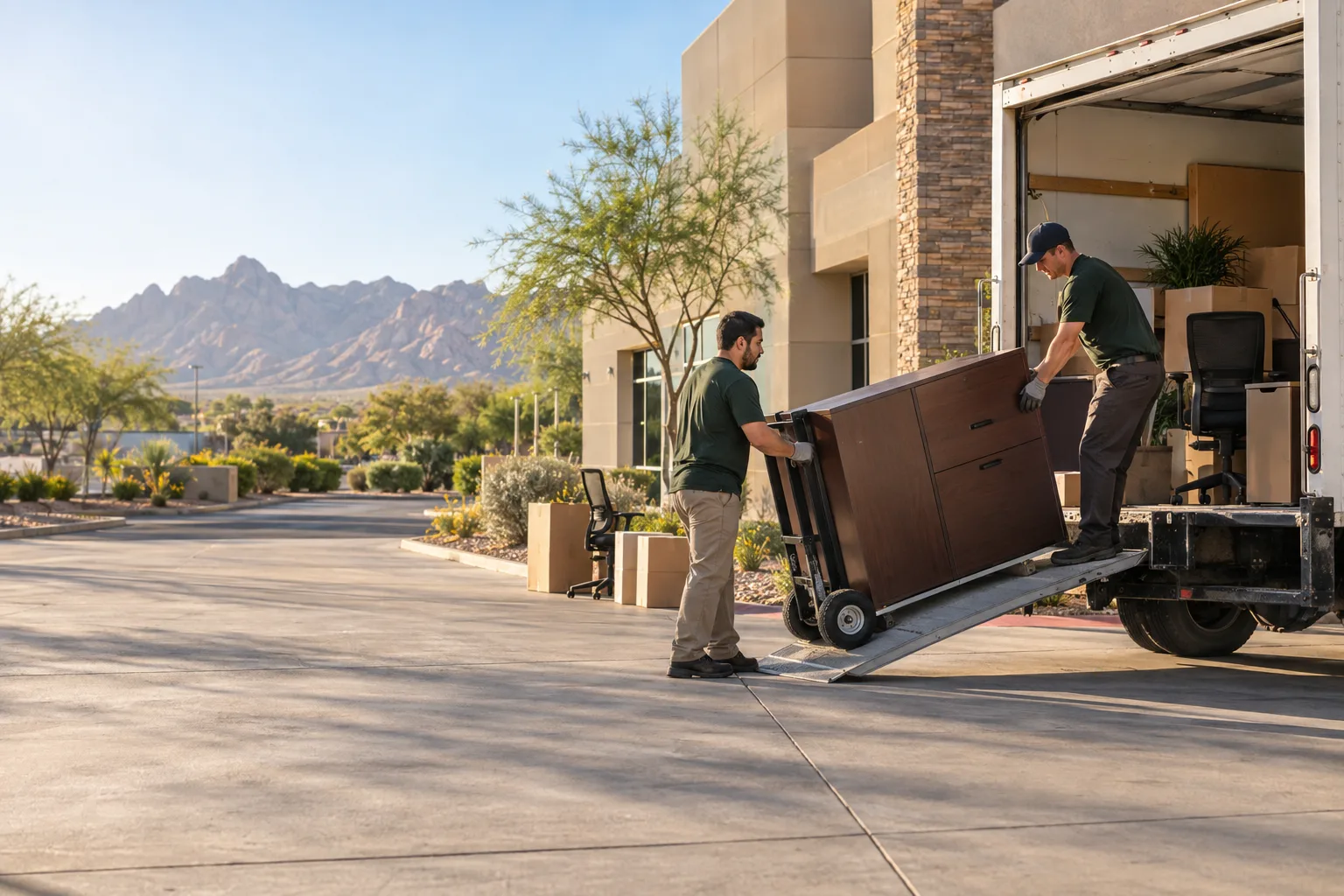
Clear the space. Keep business moving.
GreenWay helps Oro Valley offices, retail teams, property managers, and warehouse operators plan and remove non-hazardous commercial junk. Start with the item list, access details, and the date your space needs to be ready.
 Serving commercial properties in Oro Valley, Arizona. Scheduling is confirmed by phone or email.
Commercial cleanouts built around the site
The work starts before anything is lifted. A clear inventory and access plan helps identify equipment needs, timing constraints, and materials that require another provider.

One coordinated removal plan
Use the same contact for scope, access, timing, and haul-away questions. We focus on ordinary non-hazardous commercial contents and debris.
See what to send us- OFFICE
Office cleanouts
Desks, chairs, filing cabinets, shelving, boxed contents, and disconnected equipment.
- RETAIL
Retail fixture removal
Freestanding displays, racks, shelving, counters, stockroom contents, and packaging.
- WARE
Warehouse clear-outs
Palletized cardboard, broken shelving, ordinary stored contents, and non-hazardous bulk material.
- TURN
Property turnover
Commercial suite contents left after move-out, subject to owner or manager authorization.
- RENO
Renovation debris pickup
Sorted non-hazardous wood, drywall, metal, fixtures, and packaging after the work area is assessed.
From item list to cleared floor
Every property has different elevators, loading rules, access windows, and material restrictions. The process stays simple while those details stay visible.
Share the scope
Send photos or a written list, the property type, access notes, and the date you are working toward.
Confirm the plan
We clarify what can be removed, what needs separate handling, the estimated load, and the scheduling window.
Prepare the route
Secure approvals, protect records, disconnect equipment, and keep the removal path and loading area clear.
What shapes the estimate
Useful estimates depend on the actual load and the route out of the building. A few photos and specific access notes can answer more than a long description.
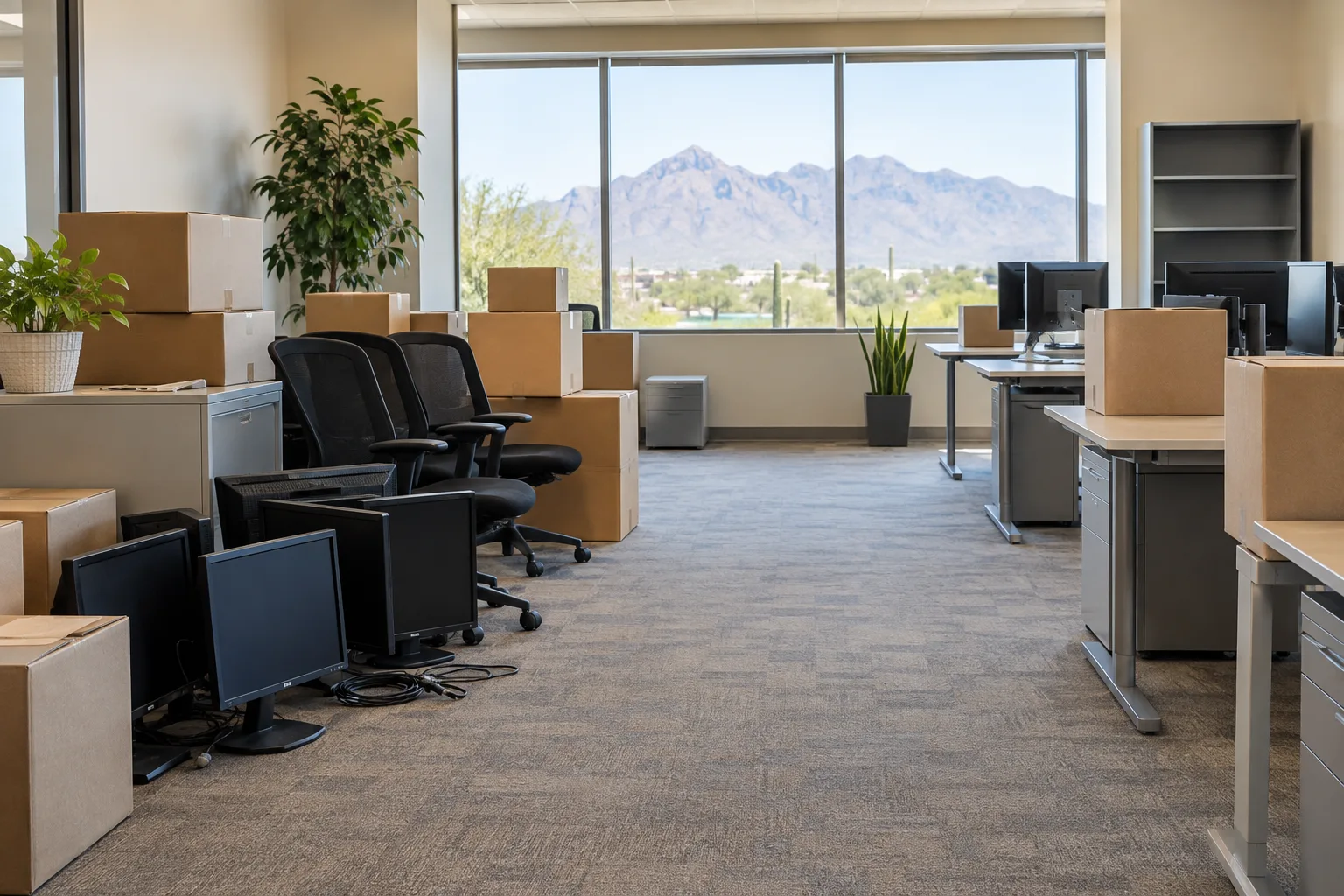
What to sort before pickup
Separating decisions from lifting keeps a cleanout from stalling in the hallway. Assign one person who can answer questions and approve changes to the item list.
- Keep: label or relocate anything staying with the business.
- Remove: group ordinary furniture, boxed contents, and fixtures by area.
- Records: remove paper files, drives, and devices that may contain protected data.
- Special handling: identify chemicals, batteries, lamps, refrigerants, liquids, medical waste, or suspected asbestos before scheduling.
- Building property: confirm which fixtures belong to the landlord and which may leave.
Guides for a smoother cleanout
These practical guides help facilities teams prepare the site, separate material, and ask better questions before hiring any provider.
How to Prepare an Office for a Cleanout
A room-by-room checklist for protecting records, separating electronics, and keeping the loading path clear.
Read the guide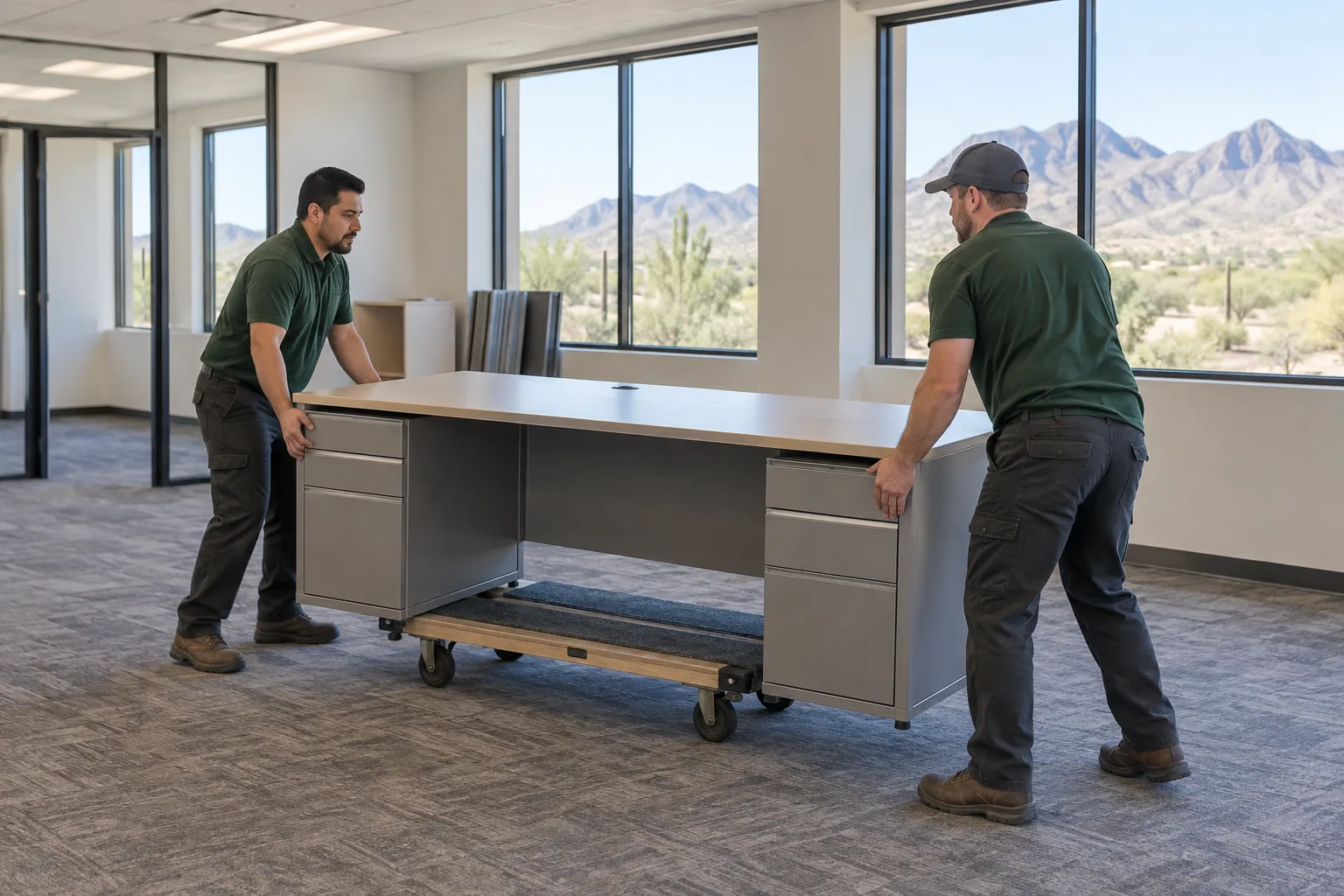
Plan an Office Furniture Removal Without Disrupting the Workday
Decide what stays, document access, and choose a removal window that fits employees, security, and the building.
Read the guide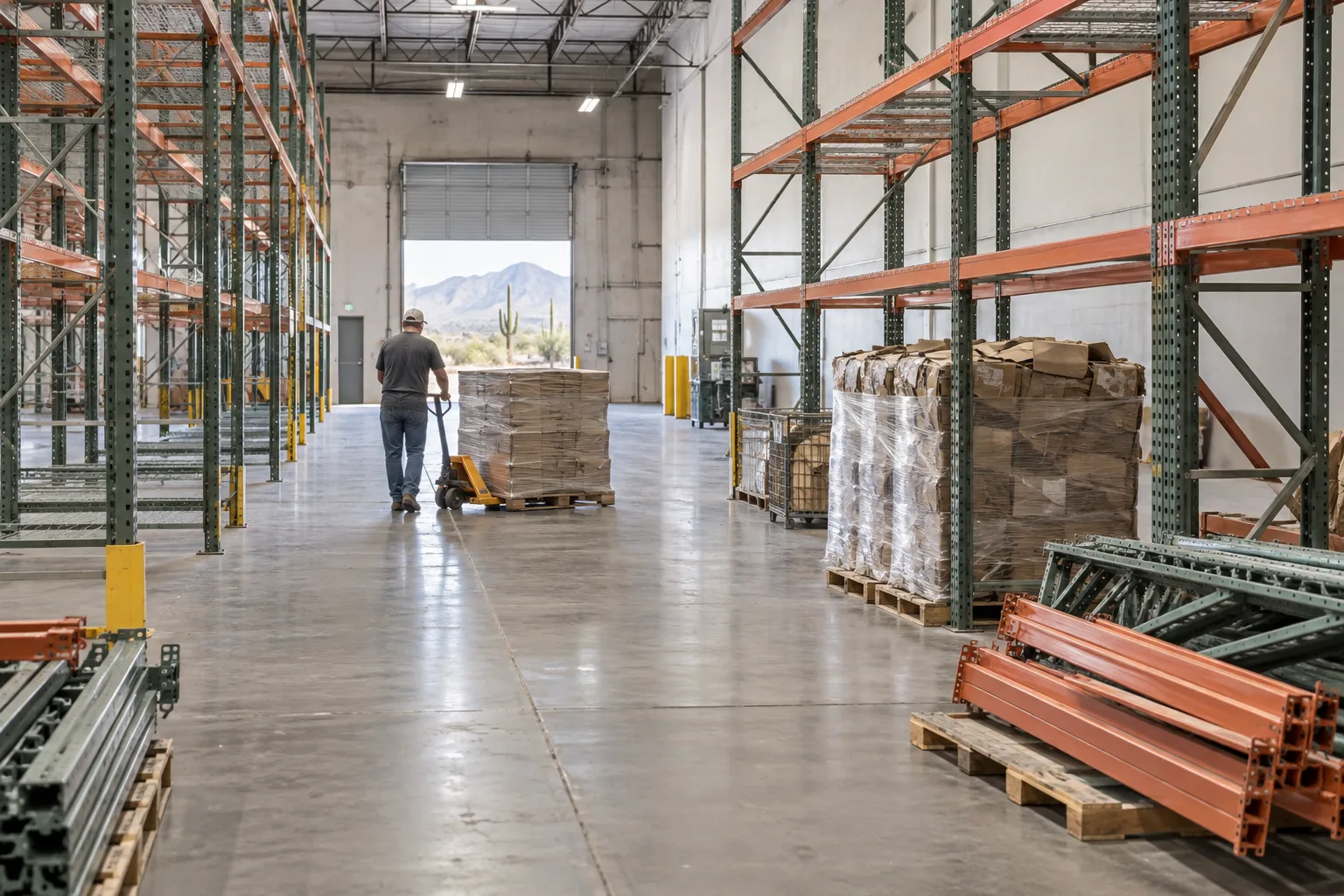
Warehouse Cleanout Planning: Access, Aisles, and Load Zones
A practical way to map pallet racks, equipment access, separated materials, and areas that must stay operational.
Read the guide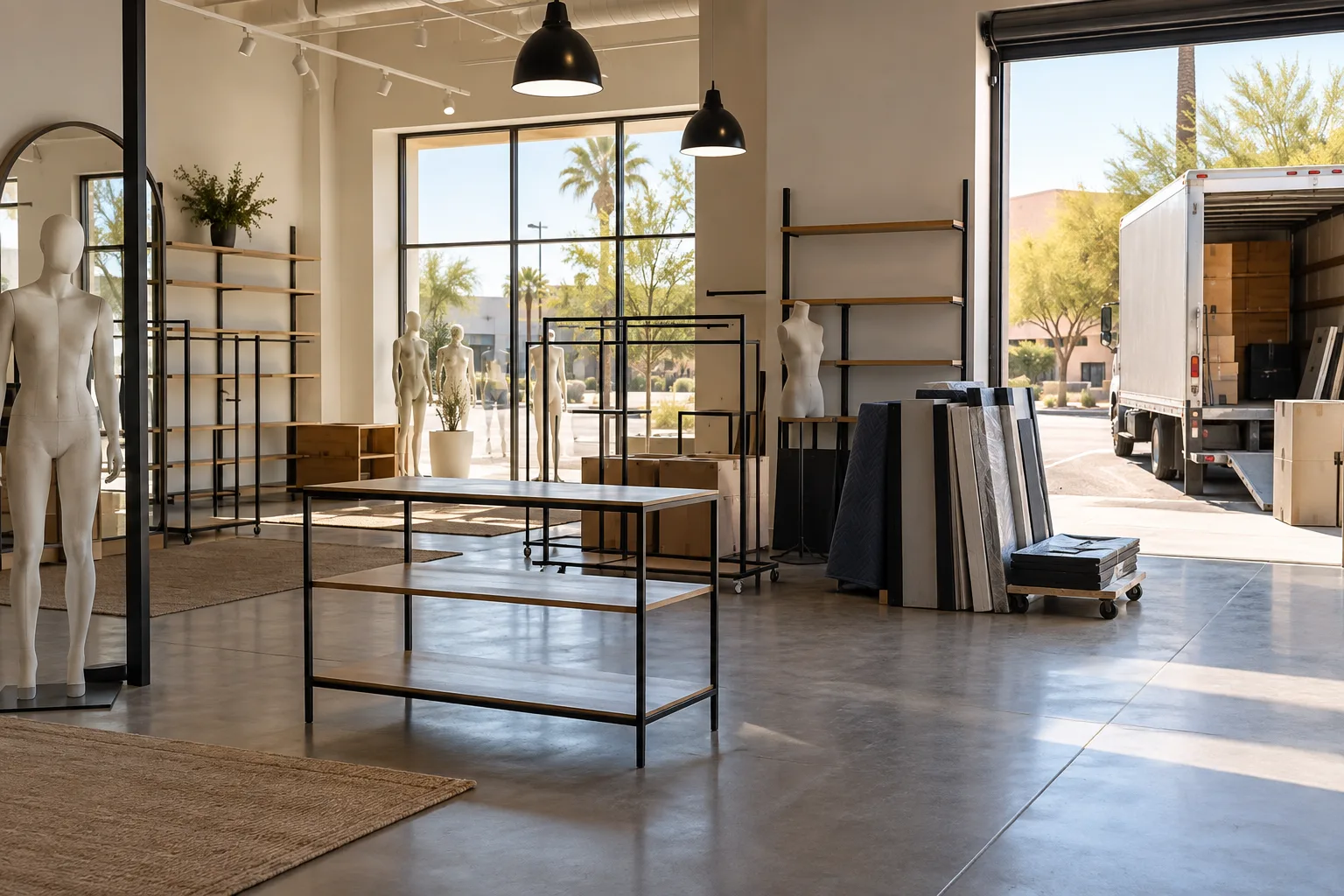
What to Decide Before Removing Retail Fixtures
Use this turnover checklist to sort reusable displays, landlord property, electronics, and material that needs special handling.
Read the guide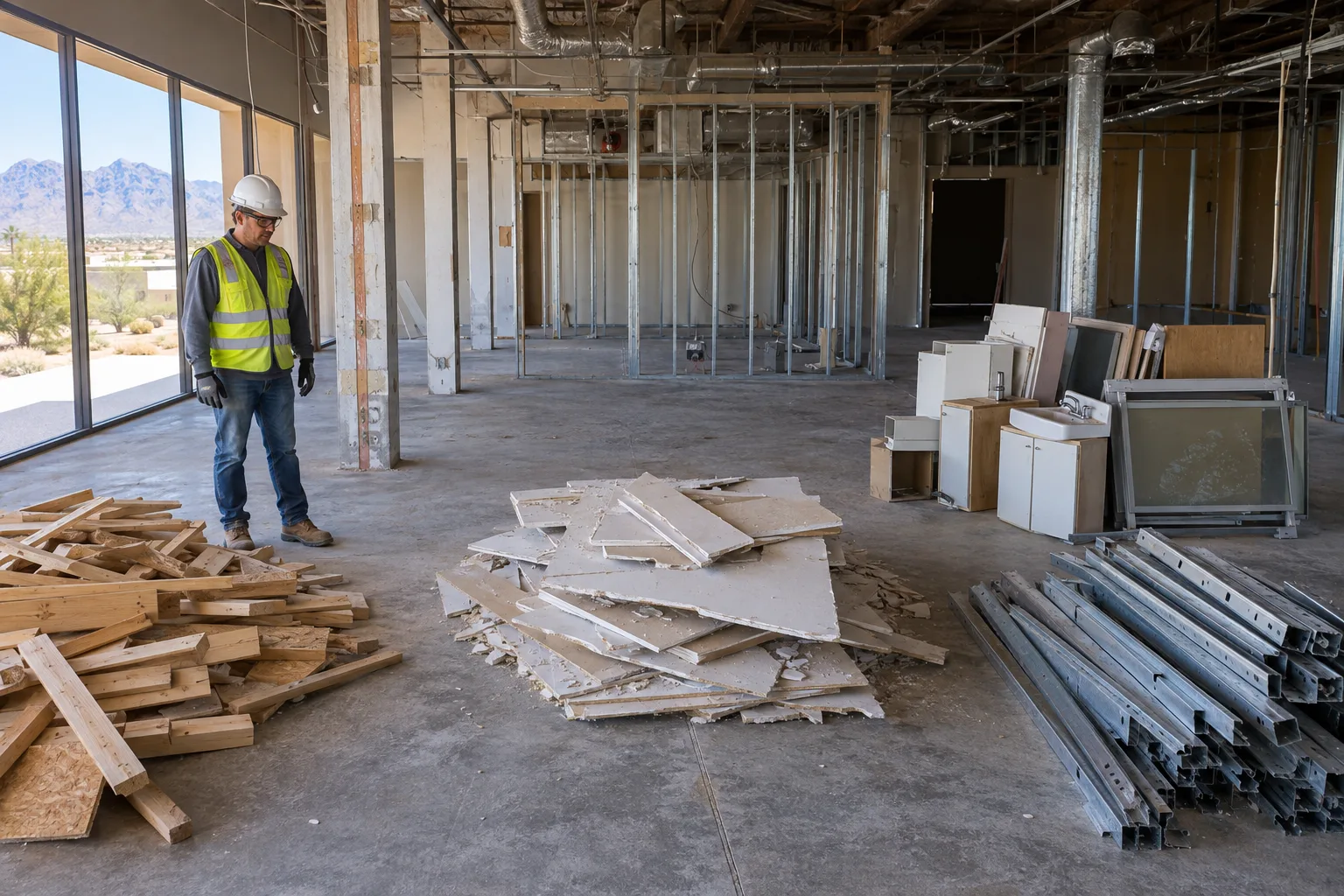
Build a Safer Commercial Renovation Debris Plan
Separate common materials, identify regulated waste before pickup, and prepare a clean handoff for a hauling provider.
Read the guideQuestions that come up early
What kinds of commercial items can you assess?
GreenWay can discuss ordinary office furniture, shelving, displays, boxed contents, disconnected equipment, warehouse contents, and sorted non-hazardous renovation debris. Final acceptance depends on the exact item and condition.
Can you work around our operating day?
Share the hours, quiet periods, dock rules, and building access window. Scheduling is confirmed directly and is not guaranteed until both sides agree on the plan.
What should not be mixed into the load?
Keep chemicals, fuels, wet paint, compressed cylinders, medical waste, unknown liquids, loose batteries, and suspected asbestos separate. Tell us about them before scheduling so you can be directed to an appropriate resource.
Ready to map the cleanout?
Call with the property type, item list, access details, and target date. If email is easier, include photos that show both the items and the path to the loading area.